What is the average lawn size in texas
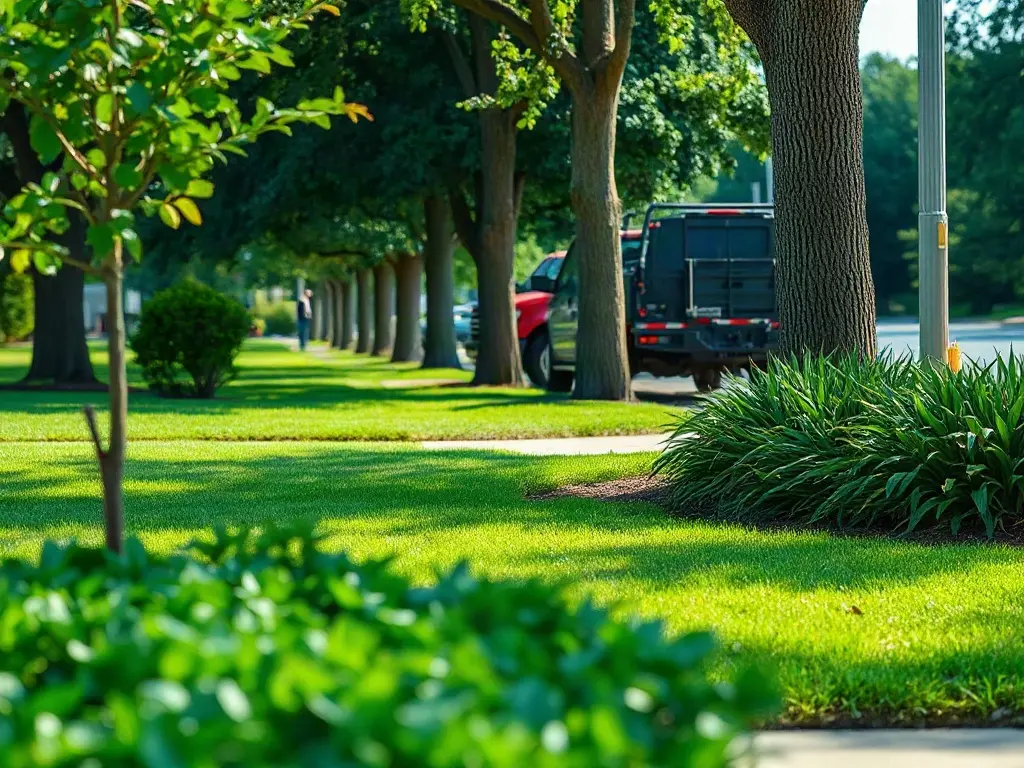
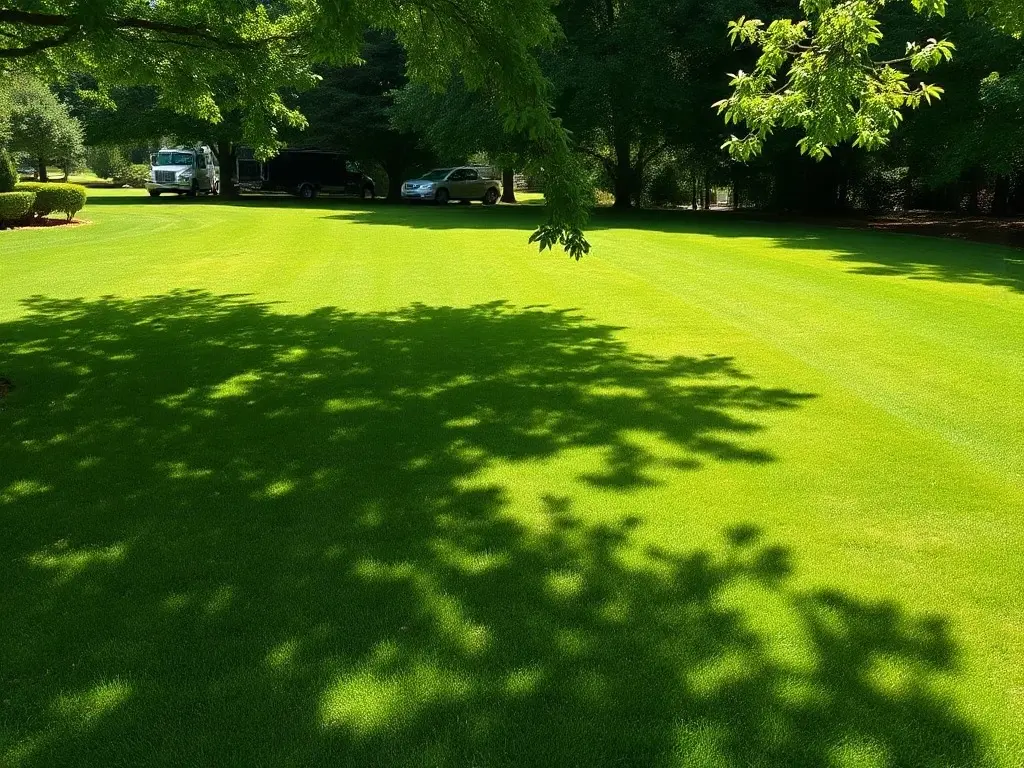
There is no single reliable average lawn size in Texas. Measured-lawn datasets put the median turf area anywhere from about 1,800 to 6,400 sq. ft., and most residential lawns hold roughly 1,000–3,000 sq. ft. of actual mowable grass — far less than total lot size, which can top 14,000 sq. ft. once driveways, beds, and patios are removed.
- Texas has no trustworthy statewide average lawn size — datasets disagree, reporting medians from 1,804 to 6,419 sq. ft.
- Most Texas residential lawns hold about 1,000–3,000 sq. ft. of actual turf even on much larger lots.
- Lot size overstates work: a 7,000-sq.-ft. lot may contain only 2,000–4,000 sq. ft. of mowable grass.
- Houston runs larger (median ~4,291 sq. ft.) than Dallas (~1,740) or San Antonio (~1,069).
- Quote from measured turf area off aerial imagery, never from a state or ZIP average.
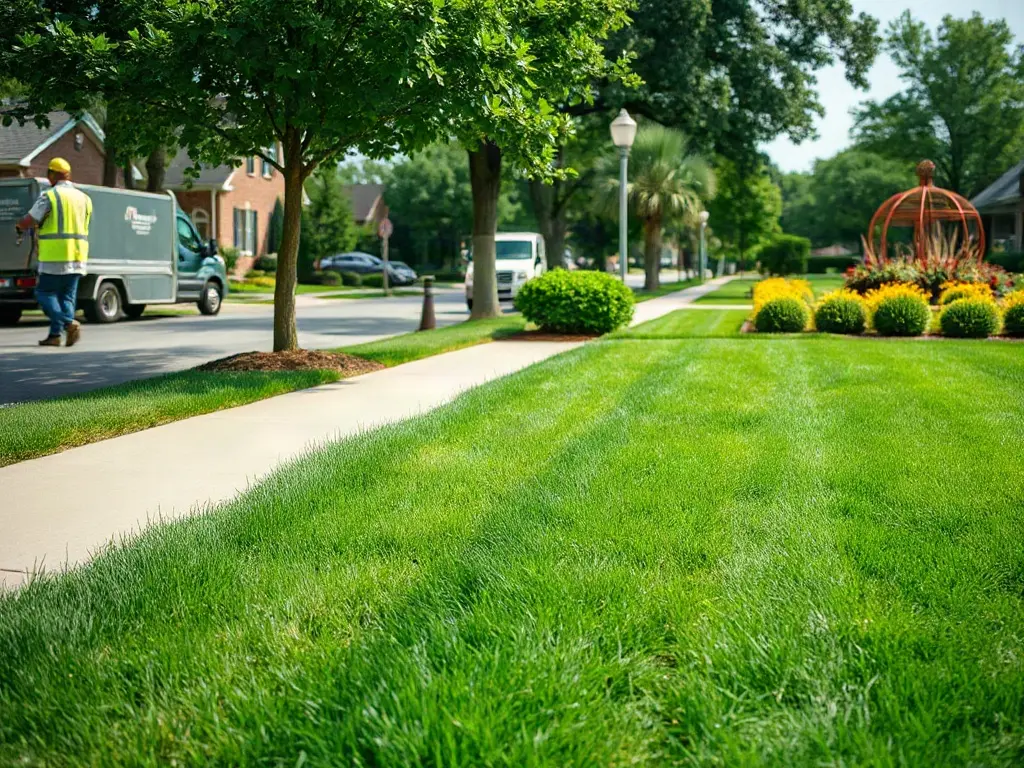
There is no reliable single answer to what is the average lawn size in Texas — and if you quote off one, you'll lose money. Measured-lawn datasets disagree wildly: one 2026 source reports a Texas median of 1,804 sq. ft., another pegs it at 6,419 sq. ft. across 202 measurements. The practical reality for most residential properties is roughly 1,000–3,000 sq. ft. of actual mowable grass, even when the total lot runs far larger. Treat any "state average" as directional background, never as a quoting standard.
Why there is no trustworthy average lawn size in Texas
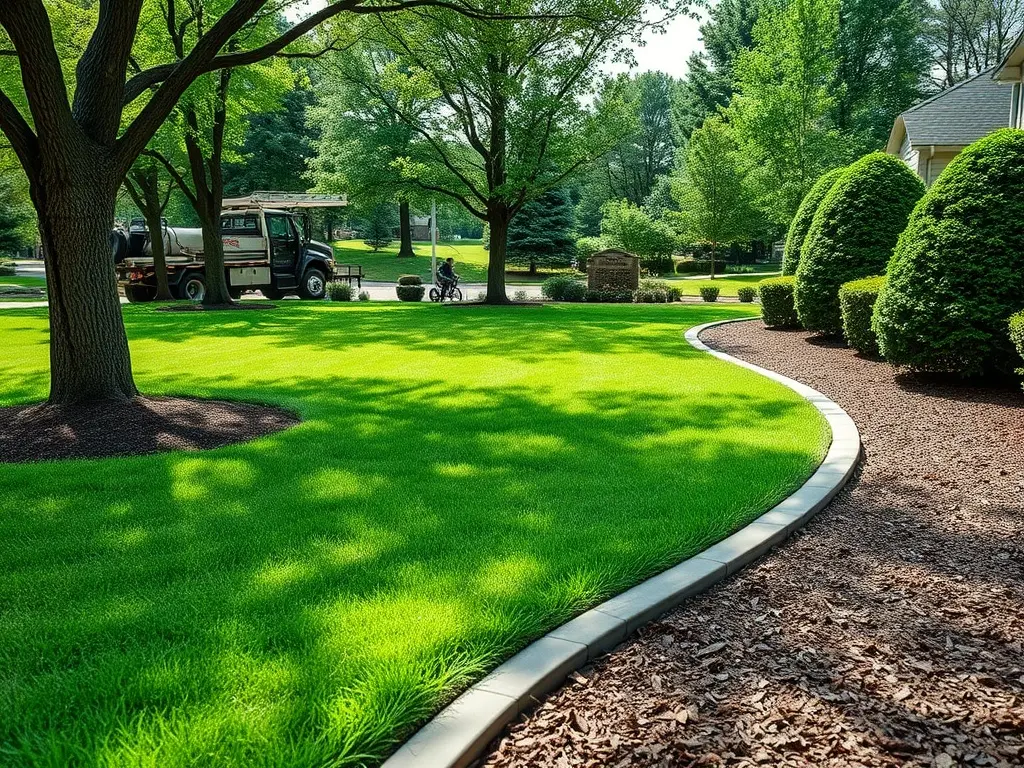
Texas doesn't produce one dependable statewide average because "lot size" and "lawn size" are two very different numbers. A lot includes the house, driveway, patio, planting beds, and gravel — all the stuff you don't mow. The grass left over is the only part that matters to your time and your price.
The gap is huge. One 2024–2026 estimate puts the average Texas residential yard at 14,876 sq. ft., but that figure is useless as mowing area because hardscape and landscaping shrink the turf footprint dramatically. As the EPA notes in its guidance on residential landscaping, turf is just one component of a yard alongside beds, trees, and hardscape — so total property size always overstates grass.
That's why the published medians swing from under 1,900 sq. ft. to over 6,400. They're measuring different samples in different ways. Build your business on one of them and you'll underbid half your route and overbid the other half.
Average lawn size in Texas by city and metro
City-level numbers vary enough that a statewide average hides more than it reveals. Reported average residential lot sizes run about 8,629 sq. ft. in Austin and 7,131 sq. ft. in Houston — and the actual mowable area sits well below those figures.
When you look at measured turf instead of lots, the spread is just as wide. One 2026 dataset reports these median lawn areas:
- Houston: 4,291 sq. ft.
- Fort Worth: 1,908 sq. ft.
- Dallas: 1,740 sq. ft.
- San Antonio: 1,069 sq. ft.
Houston can produce materially bigger turf measurements than the other major metros. If you run routes in more than one market, that difference alone should change how you set your price tiers.
Why lot size and ZIP averages will wreck your quote
Quoting from lot size, a ZIP-code average, or the customer's guess is the fastest way to misprice a Texas lawn. A 7,000-sq.-ft. lot may contain only 2,000–4,000 sq. ft. of mowable grass once you subtract the house, drive, and beds — a swing of 2x in the number that actually drives your mowing time.
The number you want is measured turf area. Everything else is a proxy that's wrong by an unpredictable amount. This is exactly why pricing frameworks like our lawn mowing price per square foot guide start from measured area, not property size.
A worked example: two "average" Texas lawns
Say two customers both describe "a normal-sized yard." Customer A's Houston property measures 4,300 sq. ft. of turf. Customer B's San Antonio property measures 1,070 sq. ft. Both are "average" for their city — but Customer A is four times the work.
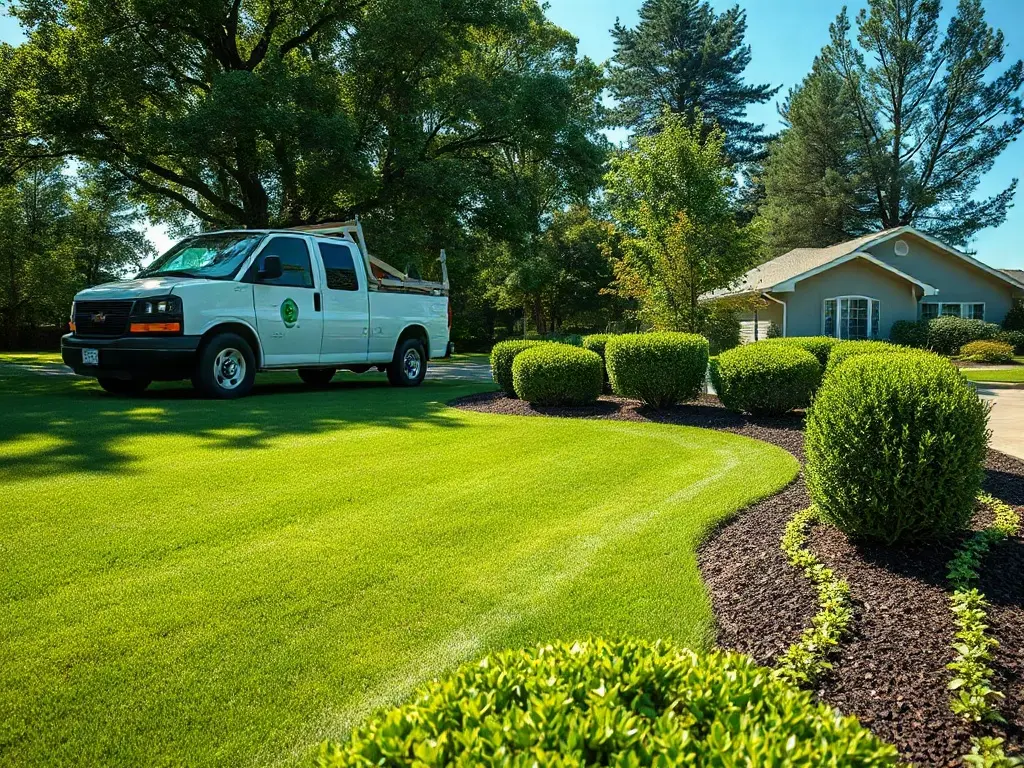
If you'd quoted both off a statewide "average" of, say, 2,500 sq. ft., you'd badly underbid Houston and leave money on the table in San Antonio. Measured area turns "average" from a guess into a defensible price.
Using a lawn measurement tool instead of a state average
A lawn measurement tool that reads aerial imagery gives you the one number that matters — turf area — before you ever drive out. That's the difference between quoting from data and quoting from a stranger's description of their own yard.
This is where Mower Math earns its keep: it measures any Texas lawn from aerial imagery, so you can measure a lawn online and price the job from your own costs without a site visit. Its Find Neighbors feature also surfaces nearby properties, which is how you build route density instead of chasing one-off stops across town. It's free to start.
Whether you call it a lawn measurement app, lawn measurement software, or a lawn size calculator, the job is the same: replace "average Texas lawn" with "this lawn, this many square feet."
Texas quoting tiers built on measured square footage
Build your pricing around measured square-foot tiers, then adjust for the site. A workable Texas structure:
- 2,000–3,000 sq. ft. — the typical small residential lawn
- 3,001–5,000 sq. ft. — mid-size
- 5,001–10,000 sq. ft. — large residential, common in Houston
- 10,001+ sq. ft. — oversized lots and estates
Then adjust for gates, slopes, obstacles, edging, bagging, and travel — the factors that change your time on a lawn of identical size. To convert to acres when a property gets big, divide square feet by 43,560; a 3,000-sq.-ft. lawn is about 0.069 acre.
Once a quote is accepted, you still need to schedule the job, track the client, and get paid. For that side of the business, Service Penguin handles scheduling, jobs, invoicing, and CRM — free for solo operators and small crews, and it scales to larger operations without forcing you to switch platforms later.
The bottom line on average Texas lawn size
Stop asking what the average lawn size in Texas is and start measuring the lawn in front of you. The published averages range from under 1,900 to over 6,400 sq. ft. because they're measuring different things — none of them is your next customer's yard. Measure the turf, price from your costs, and the "average" stops mattering.
How much bigger is a Texas lot than its mowable lawn?
A lot is often two to five times larger than the grass you actually mow. An estimated average Texas yard runs around 14,876 sq. ft., but driveways, patios, beds, and the house footprint strip most of that out, leaving roughly 1,000–3,000 sq. ft. of real turf on many properties.
Which Texas cities have the biggest lawns?
Houston tends to produce the largest turf measurements among major Texas metros, with one 2026 dataset reporting a median lawn of 4,291 sq. ft. Fort Worth came in near 1,908 sq. ft., Dallas 1,740, and San Antonio 1,069 — so adjust pricing tiers by market, not by a statewide number.
How do I convert my lawn's square footage to acres?
Divide square feet by 43,560. A 3,000-sq.-ft. lawn equals about 0.069 acre, and a 10,000-sq.-ft. lawn is roughly 0.23 acre. Working in square feet is usually more precise for residential quoting; acres only start to matter once you're bidding larger properties and estates.
Can I quote a Texas lawn without driving out to it?
Yes. Measuring from aerial imagery gives you a defensible turf area before you ever leave the shop, which is ideal for remote estimates and route planning. You still confirm gates, slopes, and obstacles, but you walk in with a real number instead of the customer's guess.
References
- Landscaping and outdoor water-use guidance showing turf is only part of a residential landscape — U.S. Environmental Protection Agency (WaterSense)