
Am I Running a Business or Did I Buy Myself a Job?
A plain-English test for whether you own a lawn-care business or just bought yourself a job — with the two numbers every solo operator should track.
A plain-English test for whether you own a lawn-care business or just bought yourself a job — with the two numbers every solo operator should track.

Price, poor results, and broken trust drive most lawn-care churn. Here's what the data says about why customers switch providers — and how to keep yours.

Should you sell lawn care on quality or on reliability? Lead with reliability to win the account, then prove quality every visit to keep it — here's why, with real numbers.
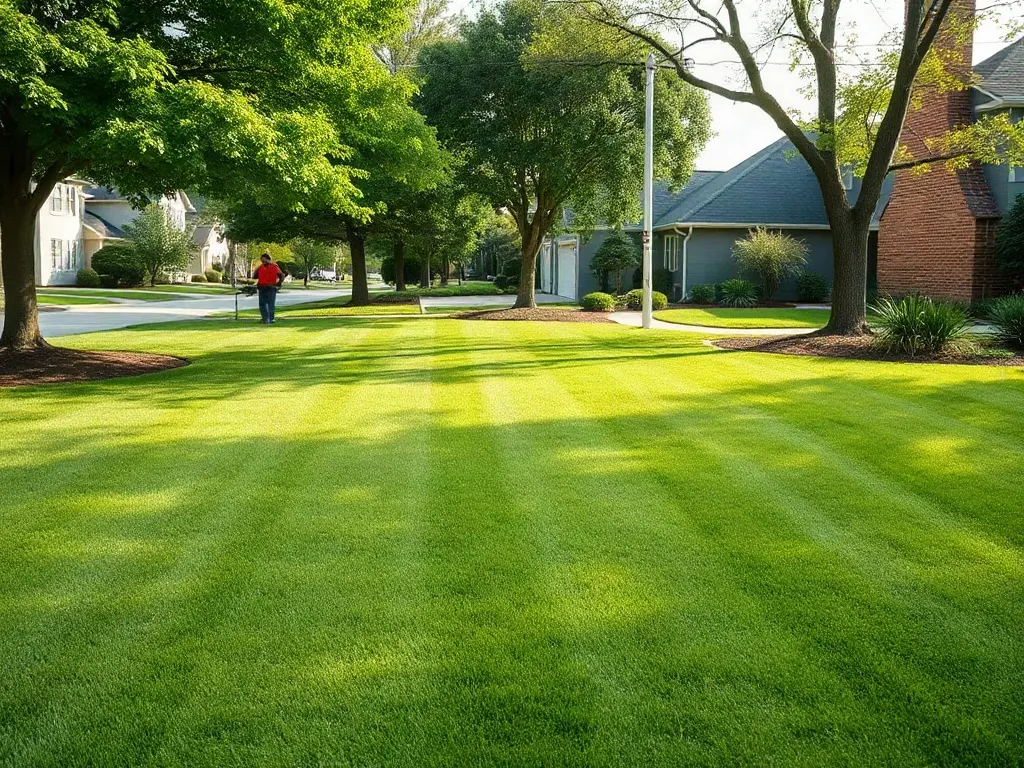
The mowing is a commodity — anyone can cut grass. Here's where skill actually pays in a lawn care business: quoting, route density, and price discipline, with real numbers.

Cut quality wins customers and stripes amplify it — here's how to market the difference and stop competing on price.

Mowing is nearly a commodity, so homeowners anchor to published prices before they call. Here's why you can't just charge more than the next guy—and what actually raises your profit per hour.
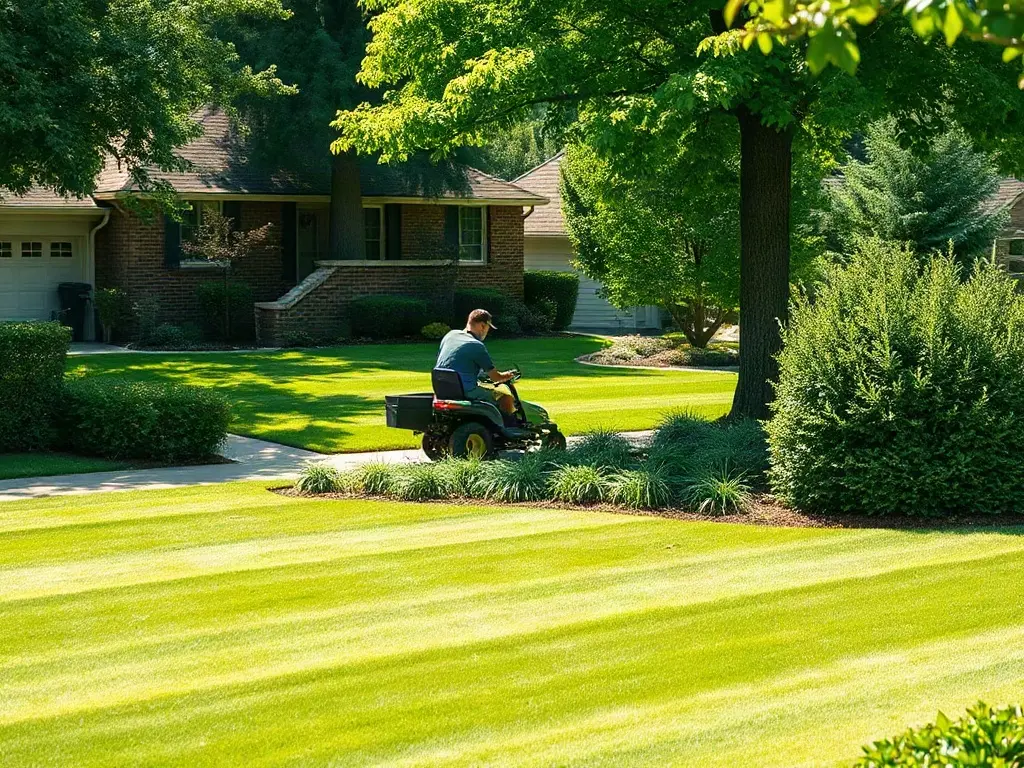
A solo mows 5–12 lawns a day and a 2-person crew does 10–20 — but only on tight routes. Here's the real math on daily capacity, route density, and why the cheapest crew loses money.
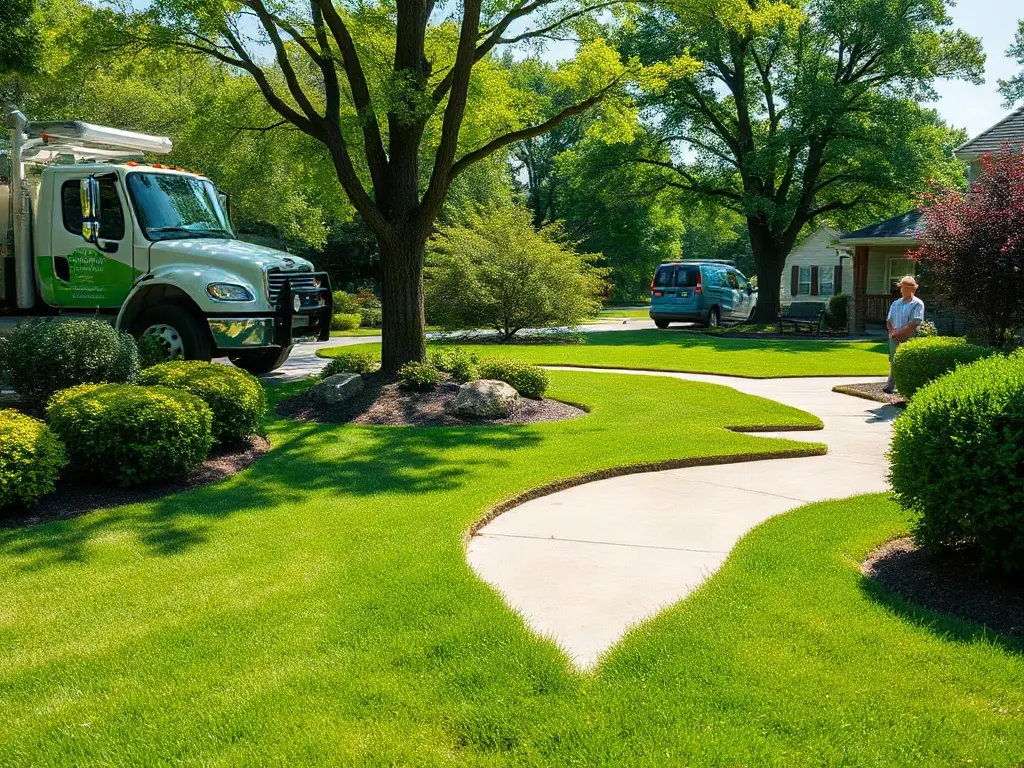
Losing money on certain lawn accounts almost always comes down to two things: a price below your true cost, or unpaid drive time from a sparse route. Here's how to find the leak and fix it.

More customers doesn't equal more profit in lawn care. Here's the route-density math that decides whether new accounts add margin or quietly bleed it.

Is lawn mowing a commodity business? No — and treating it like one is how operators end up busy and broke. Here's what actually drives mowing profit in 2026.
New features, coverage as it expands, and pricing tips for lawn pros. Occasional email — unsubscribe any time.