Should I quote lawns in the evening or during the day
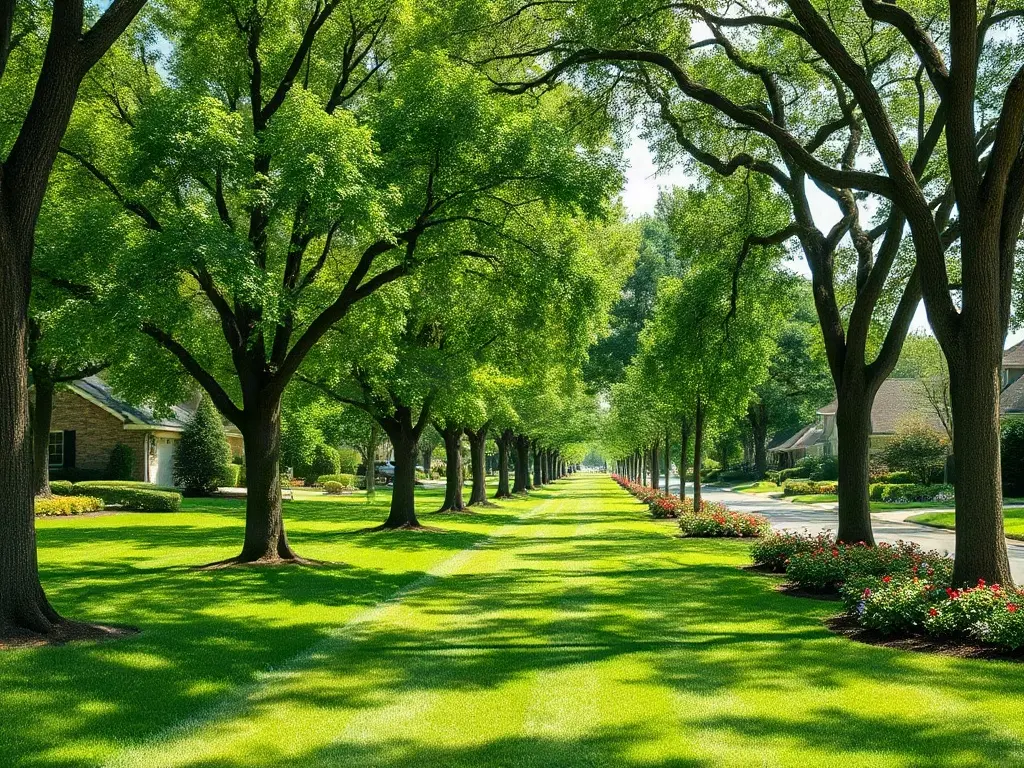
Quote lawns during daylight when you need to see the actual site — turf condition, drainage, slope, obstacles, gate access, and cleanup all hide in low light. Late afternoon is the best compromise: enough light to inspect, cooler than midday, and homeowners are home after work. Evening helps availability, not accuracy, so measure remotely and confirm on-site in daylight.
- Daylight wins for inspection; evening only wins for homeowner availability.
- Late afternoon is the practical compromise — adequate light, cooler temps, people home from work.
- Never commit to a price after sunset; hidden roots, low spots, and pet waste cause underbids.
- For routine mowing, measurement quality matters more than the exact hour you look.
- You don't need a night visit to respond fast — measure the address remotely and confirm later.
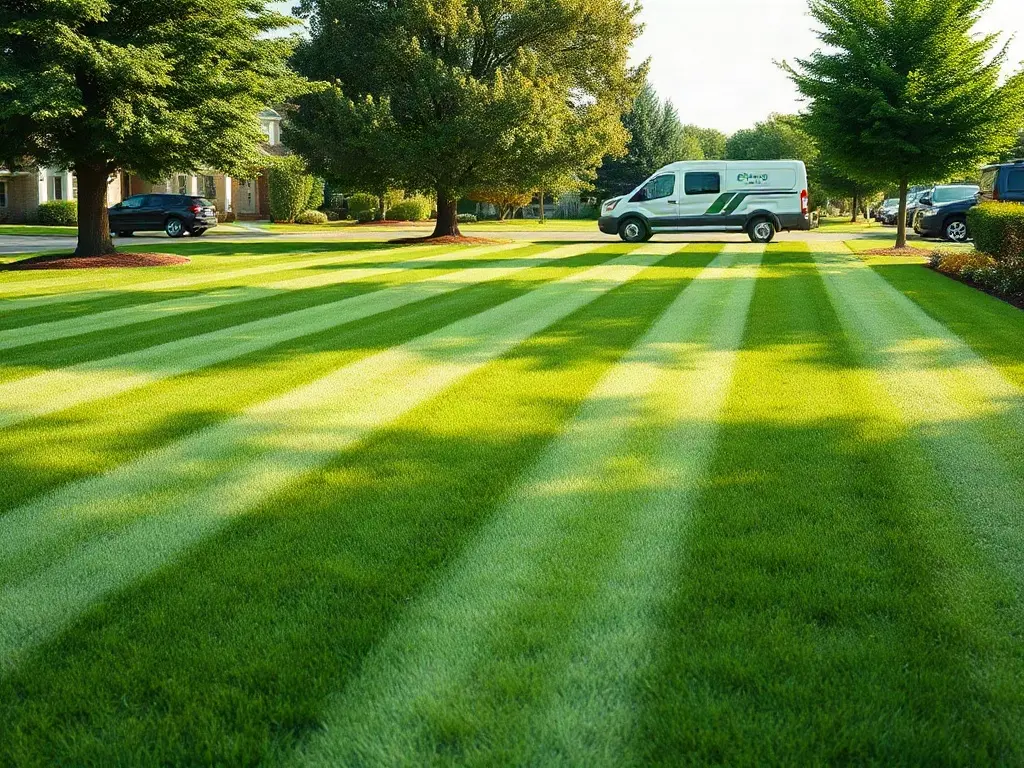
Quote lawns during daylight when you need to inspect the site, and treat evening as an availability tool, not an accuracy tool. Daylight is when you can actually see turf condition, drainage, slope, obstacles, gate access, edging, bed lines, and cleanup requirements — the exact things that set your price. Evening gets more homeowners at the door, but it hides the stuff that turns a clean bid into a money-losing stop. If you're asking should I quote lawns in the evening or during the day, the honest answer is: see the lawn in daylight, use the evening to catch people, and never let the two get confused.
Why daylight beats evening for quoting a lawn
Daylight lets you read the site conditions that decide whether a job is profitable. After sunset or in poor artificial light, hidden roots, low spots, debris, irrigation damage, pet waste, thin turf, and overgrown bed edges all disappear — and every one of those creates an underbid. You price the lawn you can see, then discover the lawn you couldn't see on week one.
Late afternoon is usually the sweet spot. There's still enough light to inspect properly, temperatures are lower than midday, and homeowners are more likely to be home after work. You get availability and accuracy in the same window.
One daylight caveat: midday sun gives the sharpest view of boundaries and hardscape, but intense heat can make stressed turf look worse than it will under normal conditions. University of Minnesota Extension notes that heat and drought stress are temporary responses — don't let wilt at 2 p.m. talk you into a condition discount the lawn doesn't need.
For routine mowing, measurement quality matters more than the hour
For recurring mows, how accurately you measure the lawn matters far more than what time you looked at it. Acreage, obstacles, slopes, gates, trimming, blowing, and travel time drive your production and your price — not whether the sun was high or low. A precise measurement at 7 p.m. beats a sloppy eyeball at noon every time.
That's why you don't actually need to stand on every lawn to quote it. You can measure the address from aerial imagery and price it from your real costs before you ever drive out. Mower Math measures any lawn from aerial imagery and builds the quote from your own labor, equipment, overhead, and profit — free to start — so an evening lead gets a same-night preliminary number without a headlight inspection.
What is revenue per blade hour and how do I calculate it?
Revenue per blade hour is how much billable money you produce for each hour your equipment is actually cutting grass. Calculate it by dividing the revenue from a stop by the on-site production hours it takes. A $60 lawn that eats 45 minutes of blade time is $80 per blade hour; the same $60 lawn that takes 75 minutes is $48.
The hour you quote doesn't change that math — but a bad-light quote does. Miss a slope or a gated backyard in the dark and your estimated blade time is wrong, so your revenue per blade hour craters on a job you already committed to.
What does drive time actually cost my lawn business?
Drive time costs you because it's time nobody pays you for. Unbillable travel, estimating, loading, maintenance, weather delays, and administration can eat roughly 20%–30% of your working time. If a quarter of your clock is unbilled, your billable hours have to carry the whole operation, which is a big reason established operators target around $55–$90 per billable labor hour after labor burden, equipment, insurance, overhead, and profit.
Driving across town to quote a single lawn at night is pure unbilled time. Measuring remotely and batching your confirmations into daylight routes is how you shrink that 20%–30% instead of feeding it.
How much of my day am I actually getting paid for in lawn care?
Most operators get paid for far less of the day than they think — often only 70%–80% of working hours are truly billable once travel, estimating, loading, and admin come out. That's the root of the classic trap: working 70 hours and not making money. The hours are real; the billable hours aren't keeping up.
Two math problems usually hide underneath. First, quoting from an employee's wage instead of their burdened cost — labor burden adds roughly 15%–25% for payroll taxes, workers' comp, and related costs. Second, a two-person crew billed at solo rates; two paid people producing one hour of site time commonly needs around $110–$170 per on-site hour, not a solo number.
How do I calculate my true cost per stop in lawn care?
Your true cost per stop is production labor plus a fair share of drive time, overhead, and estimating cost — not just the minutes spent mowing. Add burdened labor for blade time, the travel time to and from the stop, a slice of fixed overhead, and the cost of producing the quote itself. Only then do you know if a $123 average-market mow actually clears profit on that specific property.
2026 consumer benchmarks put professional mowing around $49–$203 per visit, with a national average near $123 — useful as a market check, useless as a substitute for your own cost model. The number that matters is yours.
How much does it cost me to produce a lawn care quote?
Every quote has a cost, even the ones you lose. A nighttime drive-out to measure a single lawn might burn 40 minutes of unbilled time plus fuel; at a $70 billable rate, that's roughly $47 of capacity gone whether or not you land the job. Measure that same lawn from aerial imagery in two minutes and your cost-to-quote drops to near zero, so your close rate doesn't have to be perfect to stay profitable.
Quote fast in the evening without a nighttime site visit
Evening estimates improve speed-to-lead because that's when homeowners are reachable — but a fast reply doesn't require a dark site visit. Measure the address remotely, send a preliminary quote while you've got their attention, and schedule a daylight confirmation only when the property warrants it. That's the core of a good speed-to-lead playbook.
Once the job is sold, keep the scheduling and invoicing just as tight. Service Penguin handles scheduling, jobs, client management, and invoicing — free for solo operators and small crews, and it scales as you add trucks without switching platforms. Quote in daylight, respond in the evening, and let the software carry the admin that was eating your unpaid hours.
Is midday a bad time to quote a lawn?
Midday gives the clearest read on boundaries and hardscape, but intense sun can make heat-stressed or wilted turf look worse than it actually is. Measure boundaries at midday if that's when you're there, but don't dock your condition assessment for wilt that's just a reaction to heat. It'll perk back up in normal conditions.
Should I quote a lawn that's wet or saturated?
No — wet grass hides surface conditions and changes mowing difficulty. If the lawn is saturated, quote from aerial imagery first, send a preliminary number, and schedule an on-site verification before promising a final mowing price. Saturated ground can also hide ruts and soft spots that slow your production later.
How do I respond fast to an evening lead without driving out at night?
Measure the address remotely from aerial imagery, send a preliminary quote within minutes, and schedule a daylight confirmation only if property conditions justify it. Speed-to-lead is about reply time, not a nighttime site visit. A same-evening preliminary number beats a competitor who waits two days to drive out.
Does the time of day change the price I should charge?
No — the hour you look doesn't change production cost. Acreage, obstacles, slopes, gates, trimming, blowing, and travel time drive price. The time of day only affects how accurately you see those factors. Quote in bad light and you risk missing something that costs you money every single visit for the season.
References
- Lawn care guidance including turf stress and seasonal condition — University of Minnesota Extension